Go back
  February 23 2026
The production of advanced conductive circuits requires materials that combine the highest electrical conductivity with excellent thermal stability. Silver, characterized by the best electrical conductivity among all metals and exceptional resistance to oxidation, is a key raw material in the manufacturing of precision electronic components. Thanks to the use of specialized silver pastes, it is possible to create miniature conductive circuits with critical reliability in medical diagnostics, vehicle safety systems, and advanced measuring devices. In this article, we share our expertise on this remarkable metal, which we have been using for years in the production of our membrane keyboards.
Why silver? Key material properties
In the construction of membrane keyboards and other precision conductive systems, silver is the material of choice due to its unique combination of physical and chemical properties. Its technical parameters surpass those of other precious metals, ensuring long-term operational stability of manufactured electronic components.
Highest electrical conductivity
Silver has the highest electrical conductivity of all known elements, with a resistivity of just 1.59 × 10⁻⁸ Ω·m. This exceptional parameter ensures that electric current flows through silver layers with virtually no losses, guaranteeing precision even in the most demanding applications, such as membrane keyboards and micro-control circuits.
This high electrical conductivity results in:
- Minimization of energy losses during signal transmission in control systems
- The ability to design ultra-thin conductive paths essential for device miniaturization
- Increased energy efficiency of the entire electronic system
These unique conductive properties are particularly valuable in membrane keyboards. High-quality electrical contacts combined with minimal resistance allow the design of increasingly thin and responsive control interfaces.
High thermal conductivity
With a thermal conductivity of 429 W/mK, silver significantly outperforms other metals in heat dissipation. In electronic systems, this property determines thermal stability and operational efficiency. Efficient heat dissipation protects components from overheating and significantly extends their lifespan.
This parameter is especially important in devices operating continuously, where long-term use can lead to heat accumulation. In membrane keyboards, the use of silver helps maintain optimal performance even under intensive use, where small amounts of heat are generated with each keystroke.
Resistance to oxidation and corrosion
Unlike copper or aluminum, silver is exceptionally stable under atmospheric conditions. Although a thin layer of silver sulfide may form on its surface, it does not significantly affect electrical conductivity. This is a major advantage in industrial applications, where devices must retain full functionality over many years of operation.
In membrane keyboards, where each element may be activated millions of times over its lifetime, silver’s resistance to degradation ensures stable electrical parameters. As a result, signals are transmitted with the same efficiency both in new devices and after years of intensive use.
Ductility and ease of forming
Silver’s high ductility opens up greater possibilities in the design and manufacturing of precision conductive elements. The metal can be formed into ultra-thin layers and applied as pastes in complex geometric patterns. This versatility allows device designs to be optimized in terms of size and functionality.
Example technologies and manufacturing processes using silver
Modern electronics use silver in various forms and technological processes — from conductive pastes applied by screen printing, through electroplating, to advanced vacuum deposition methods. Each of these methods is optimized for specific applications, enabling the creation of precise conductive structures with the required electrical and mechanical properties.
Membrane keyboards and touch interfaces
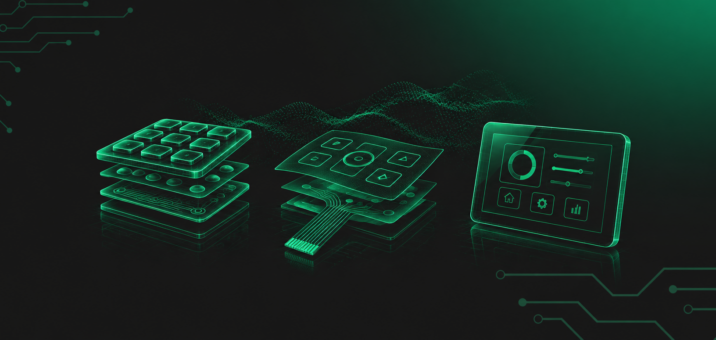
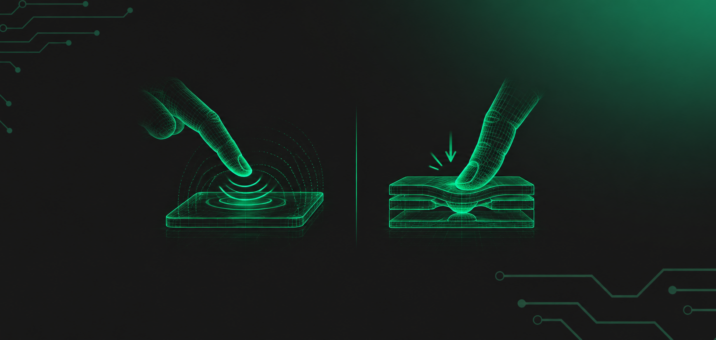
In membrane keyboard production, silver is the primary conductive material. Applied in paste form, it creates precise contact points that activate under pressure. This technology is used in:
- Professional industrial keyboards used in high-durability environments
- Control panels in medical devices, where absolute reliability is required
- Touch interfaces in household appliances and consumer electronics
The technological process involves screen printing silver pastes onto flexible polymer membranes. Precisely designed conductive paths allow for flawless detection of even the slightest press.
Conductive silver pastes and inks
Specialized silver pastes are used in the production of flexible electronics and hybrid systems. Their unique rheological properties enable:
- Precise screen-printing on various substrates
- Creation of flexible connections in bendable circuits
- Achieving stable electrical parameters after curing
Silver inks are used in digital printing technologies to produce RFID antennas in wireless identification systems and flexible sensors in wearable electronics.
Miniaturized electronic circuits
In microelectronics, silver plays an important role in manufacturing a wide range of electronic components. It is especially valuable in high-density integrated circuits, ensuring efficient signal transmission in increasingly smaller conductive structures. Silver is also used in precision sensors, measurement elements, and wireless communication modules, where signal quality is critical.
Challenges and limitations of using silver
Despite its exceptional properties, the use of silver in conductive circuits involves several important technological and economic challenges:
- Economic aspect: The high market price of silver forces the use of hybrid solutions, where only critical parts of the system use pure silver, while the rest is made from cheaper materials.
- Raw material availability: Limited natural deposits and growing demand from the electronics industry affect supply stability and encourage the search for alternatives.
- Environmental impact: Mining and refining silver involve high energy consumption and pollutant emissions, driving the development of efficient recycling methods.
- Technological limitations: Silver surfaces may react with hydrogen sulfide in the air, forming a layer of silver sulfide, which in specific conditions may require additional protective coatings.
- Production complexity: Working with silver pastes requires precise control of technological parameters and advanced manufacturing systems.
Despite these challenges, silver remains irreplaceable in many electronic applications, and ongoing development of production technologies and recycling methods continues to improve the efficiency of using this valuable raw material.
At Qwerty, silver is worth its weight in gold – summary
Thanks to its unique physicochemical properties, silver remains a material of fundamental importance for the development of modern electronics. Its use in conductive pastes, integrated circuits, and membrane keyboards enables the creation of electronic components with ever higher performance and reliability. Despite challenges related to availability and price, continuous development of production technologies allows increasingly efficient use of this noble metal.
At Qwerty’s laboratory, we use approximately 40 kilograms of conductive silver annually. After many years of testing and working with this material, we can say with full confidence that we use the best conductive silver available on the market in our keyboards. It is the precise control of technological processes and careful selection of materials that translate into the high quality of our components, securing our position as a leader in the industrial keyboard industry.