Go back
  February 23 2026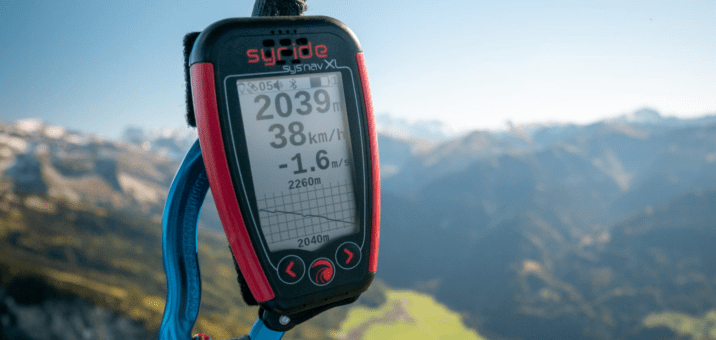
Modern paragliders are equipped with advanced electronic instruments that help pilots monitor flight parameters and weather conditions. As a specialist in membrane keypad manufacturing, we developed a dedicated solution for the paraglider instrument manufacturer Syride, combining mechanical durability with intuitive operation in demanding conditions.
What must a keypad for paragliding equipment be like?
Designing a keypad for a paragliding instrument required taking into account very specific operating conditions and user needs. During flight, a paraglider pilot must operate the device with one hand, often while wearing gloves, in changing visibility and while in motion. Based on this analysis, we defined four key requirements:
- Resistance to weather conditions – the keypad must remain fully functional in a wide range of weather conditions: from heat and intense sunlight to low temperatures, rain, or snow.
- Ergonomics and tactile feedback – the buttons are designed so that the pilot can operate them without looking at the device, keeping their eyes on the surroundings and control of the paraglider.
- Legibility of markings – graphics and symbols remain clearly visible in intense sunlight as well as in variable lighting conditions.
- Minimization of accidental activations – a special button design prevents unintended presses during dynamic maneuvers.
The main goal was to create a keypad that allows intuitive and reliable control of paragliding instruments such as a variometer or GPS navigator. These devices are used to set flight parameters – from minimum and maximum altitude to the target landing point.
Equally important was ensuring that the interface maintains full functionality regardless of external factors. Paragliding is practiced outdoors, often in extremely diverse conditions – from rainy days in Europe to the scorching sun of the Middle East. The keypad therefore had to withstand moisture, UV radiation, and sudden shocks, for example during landings on uneven terrain. Another challenge was ensuring display readability in full sunlight, which required a dedicated approach to designing the screen window.
Technologies and materials used
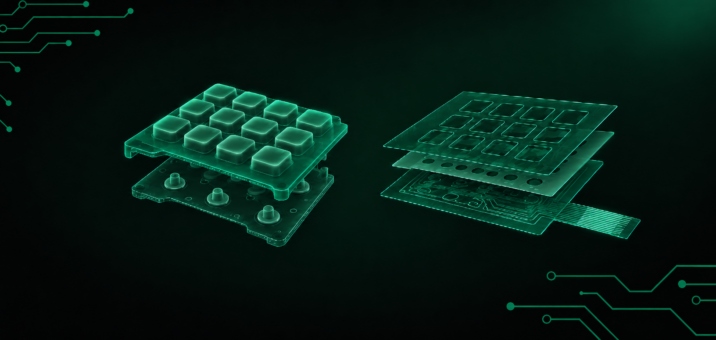
The above requirements set the challenge of creating a product that is almost ruggedized, yet still lightweight and handy. In response, we developed a membrane keypad using advanced materials and production technologies.
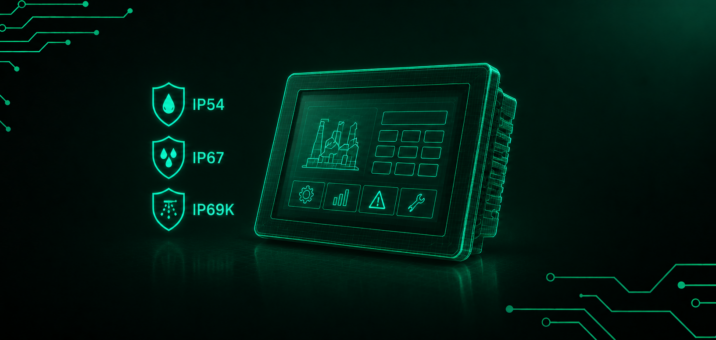
High IP protection rating
To ensure flawless operation in rain and high humidity, we designed the keypad with a high IP (Ingress Protection) rating. This means it is resistant to water and dust ingress, which we tested under simulated conditions – from light rain to heavy downpours. Seals were made of materials that do not degrade when exposed to moisture, and cable entry points were secured to eliminate the risk of short circuits. This allows the pilot to focus on flying, not on protecting the equipment from the weather.
Crystal-clear display window
Data displayed on paragliding instruments must be readable in all lighting conditions, especially in strong sunlight. We therefore used a special polycarbonate window with high transparency, additionally coated with an anti-reflective layer. This material not only transmits light without distortion but also protects the display from scratches. Field tests in desert conditions – for example in the United Arab Emirates – confirmed that flight parameters remain legible even in the brightest sun.
Resistance to UV radiation and shocks
Long-term exposure to sunlight is a major challenge for electronics. We selected foils and plastics that are resistant to UV radiation and do not yellow or lose flexibility under high temperatures. Mechanical durability was equally important – the keypad passed shock tests simulating drops and in-flight turbulence. The reinforced housing and flexible internal mountings ensure reliable operation even after strong impacts, which is especially important during landings on rough terrain.
Reliability at critical moments
The keypad is used to enter data such as wind strength and direction or landing coordinates, which requires precision and operational certainty. We applied membrane technology with a clearly perceptible key travel, giving the pilot tactile confirmation of each press – even when wearing gloves. Additionally, we optimized the layout to minimize the risk of accidental function activation, and selected internal components rated for tens of thousands of operating cycles.
Experience from the paragliding project – inspiration for new Qwerty solutions
Working on the keypad for paragliding instruments allowed us to better understand how to design interfaces for devices operating in harsh environments. Testing in rain, sun, and under shock loads provided valuable data that we now use in other projects – from medical equipment to marine devices. This was another step in building our specialization in niche yet technologically advanced solutions.
There is no hiding that this project had a special meaning for us. Knowing that our keypads help paragliders safely soar over mountains and deserts gave us extra motivation. Cooperation with instrument manufacturers such as Syride showed how important precise technology is in fulfilling the human dream of flight. Every detail – from the seal to the clarity of the display – is our contribution to that adventure.