Go back
  February 23 2026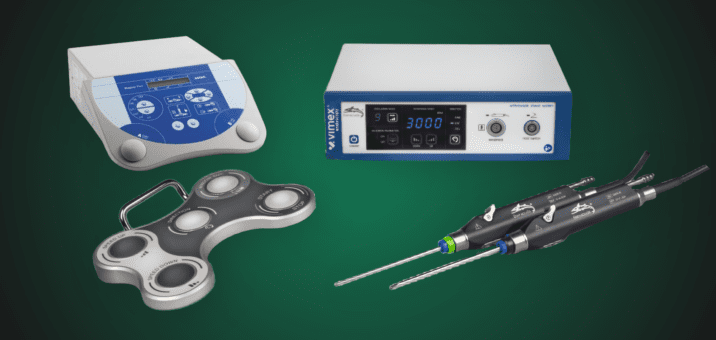
Hygiene Standards for Keyboards in Medical and Food Processing Environments
In medical environments and food processing plants, cleanliness is a top priority, and even the smallest equipment components must meet strict hygiene requirements. Keyboards, which are common hotspots for bacteria and contaminants, require a special design approach and the use of appropriate materials.
Hygiene standards apply to complete medical devices and industrial machines, but the properties of their components – including keyboards – ultimately determine whether the final product can meet these requirements. At Qwerty, we know how to design keyboards that enable end devices to comply with the highest hygiene standards in the medical and food industries. This article explains how we do it.
Standards for the Medical Industry
EN 60601-1: Safety of Medical Electrical Equipment
EN 60601-1 is an international standard defining safety requirements and performance parameters for medical electrical equipment. End devices equipped with keyboards – such as dental handpieces, ventilators, and diagnostic devices – must comply with its strict requirements. The most important interface-related requirements include:
- Protection against moisture: Minimum IP65 rating, ensuring resistance to liquids and disinfectants
- Chemical resistance: Resistance to isopropyl alcohol, chlorine solutions, and other disinfectants
- Hygienic design: Smooth, gap-free surfaces that minimize contamination buildup
- Electrical insulation: Protection against electric shock, especially important in humid medical environments
Qwerty membrane and foil keyboards enable medical device manufacturers to meet EN 60601-1 thanks to their sealed construction and resistance to external factors. Their hermetic design prevents colonization by hospital pathogens, supporting patient and staff safety in end devices.
ISO 22196: Testing Antibacterial Properties
ISO 22196 defines methods for evaluating the antibacterial properties of materials used in medical devices. The testing methodology focuses on measuring the inhibition of pathogen growth, such as E. coli and S. aureus, over a 24-hour period.
In high-risk medical devices, the durability of these antibacterial properties despite repeated disinfection is particularly important. Interfaces with uniform, gap-free surfaces offer a clear advantage due to reduced microorganism adhesion and easier cleaning.
Standards for the Food Industry
HACCP: Hazard Analysis and Critical Control Points
HACCP is a food safety management system designed to prevent biological, chemical, and physical hazards in food production. Industrial machines used in food processing must comply with HACCP requirements. For control interfaces, this includes:
- Hygienic design: Smooth surfaces without contamination traps, enabling effective removal of food residues and grease
- Material resistance: Resistance to cleaning agents, water, and substances typical for food processing
- Mechanical safety: No detachable parts that could contaminate food
- Certified materials: Use of food-safe components with no risk of harmful substance migration
High-protection foil keyboards (IP68) enable machines and devices to meet HACCP requirements in the most demanding food processing areas, such as meat and dairy plants. Membrane solutions work well in less contamination-prone zones, such as quality control laboratories.
ISO 22000: Food Safety Management Systems
ISO 22000 integrates HACCP principles with quality management elements in the food industry. End devices must comply with its main requirements, including those indirectly related to control interfaces:
- Hygienic construction: No gaps, sharp edges, or hard-to-clean areas
- Environmental resistance: Resistance to moisture, temperature changes, and disinfectants
- Certified materials: Compliance with food-contact regulations, including FDA certifications
- Traceability: Full documentation of component origin and compliance
Qwerty foil keyboards, featuring a uniform surface and high resistance to external factors, support device manufacturers in meeting ISO 22000 requirements in demanding food production environments – from bottling lines to fruit processing plants and food packaging systems.
How Qwerty Keyboards Support Compliance with These Standards
Advanced Materials and Manufacturing Technologies
In keyboards designed for medical and food industry applications, we use carefully selected materials with proven resistance to disinfectants and cleaning agents. High-quality polyester and polycarbonate films create a sealed barrier against moisture, dirt, and microorganisms. Our keyboard surfaces are non-porous and free of micro-gaps, eliminating potential sites for bacterial growth and contamination.
Each keyboard undergoes rigorous testing in our R&D laboratory, where we verify resistance to intensive cleaning using professional disinfectants applied in medical facilities and food processing plants.
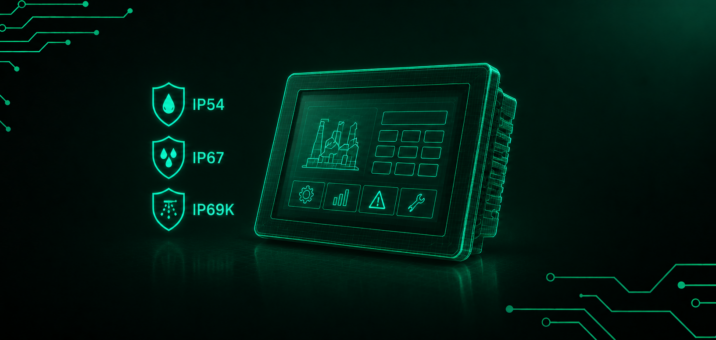
Full Sealing and IP65–IP68 Protection
Qwerty keyboards for medical and food applications feature full sealing, confirmed by IP65–IP68 ratings. This means complete protection against dust ingress and resistance to strong water jets and even prolonged immersion. This is crucial in devices that are routinely washed and disinfected.
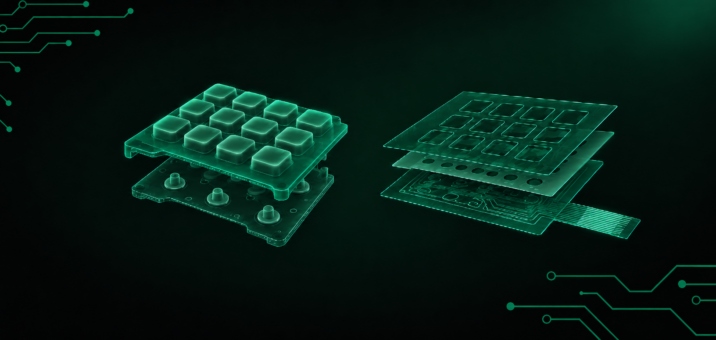
Precise lamination of film layers ensures a uniform, gap-free surface that effectively protects internal electronics from moisture and chemicals. The optical bonding technology we use improves mechanical durability and eliminates air gaps between layers where microorganisms could accumulate.
Ergonomics and Operational Safety
When designing keyboards for medical and food industry devices, we place strong emphasis on ergonomics and intuitive operation. Smooth surfaces with clearly defined function keys allow precise operation even while wearing protective gloves – standard practice in both industries.
Our keyboards are designed to minimize the risk of operator errors in end devices that could impact patient safety or food quality. Clear labeling, optional backlighting, and a well-thought-out layout ensure fast and precise operation even in demanding working conditions.
Qwerty Keyboards for Medical and Food Industries – Quality Aligned with the Most Stringent Standards
Years of design experience combined with advanced manufacturing technologies allow us to deliver foil and membrane keyboards that enable end devices to meet the highest standards for medical and food industry applications. As a component manufacturer, we focus on properties that help medical device and industrial machine producers achieve compliance with required standards. Our components are used in operating rooms, diagnostic laboratories, and production lines in leading food processing plants, where reliability and hygiene are top priorities.
We continuously invest in research on new materials and technologies that enhance the hygienic properties of keyboards. Our laboratory tests innovative solutions, allowing us to stay ahead of evolving hygiene standards and regulations in the medical and food industries, and to provide manufacturers with up-to-date components that support compliance of their final products with the latest requirements.