Go back
  March 18 2025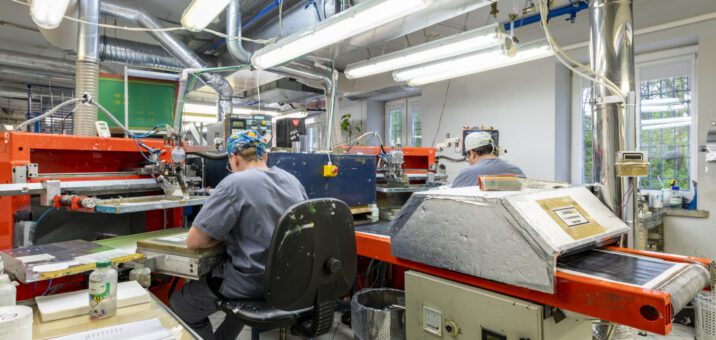
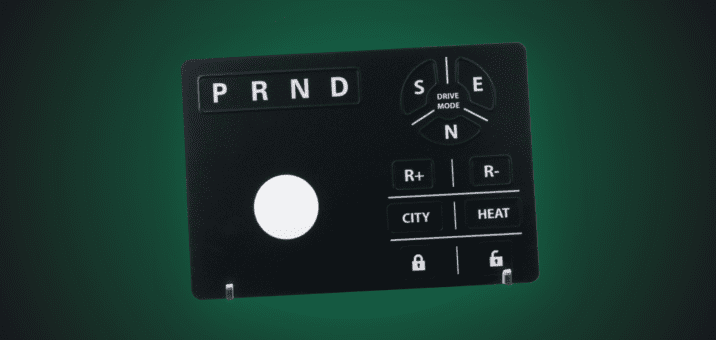
Foil keyboards, due to their design and technological capabilities, have become standard in industries where equipment must face aggressive chemical agents. However, ensuring their long-term functionality in contact with acids, bases, or solvents requires advanced material and manufacturing solutions.
Modern technologies make it possible to create keyboards that are not only resistant to chemicals but also retain full functionality and ergonomics of use. The secret of their resilience is the precise selection of materials and the use of specialized manufacturing processes that protect each component of the keyboard from degradation under harsh conditions. So, what are the latest material and technological solutions that guarantee the exceptional durability of foil keyboards in chemically aggressive environments?
Basic Materials for Foil Keyboards
Designing foil keyboards for industrial applications requires a special approach to material selection. Each component must not only meet stringent chemical resistance requirements but also retain its mechanical and functional properties over a long utilization period.
It is particularly important to maintain the flexibility and responsiveness of the keys, even those in intense contact with aggressive substances. It is the right choice of materials that determines the reliability and service life of the entire device.
Polyester is the primary material used to manufacture foil keyboards for special applications. It is an extremely chemically and mechanically resistant material, which makes it ideal for demanding applications.
The most important advantage of PET film is that even with prolonged contact with aggressive cleaning agents or solvents, it retains its shape and functional parameters. An additional advantage is that it can be permanently printed on it, and the print does not fade with frequent cleaning and disinfection.
That is why keyboards made of PET are perfect for analytical laboratories or cleanrooms, where maintaining sterility is a priority.
Polycarbonate shows excellent resistance not only to standard cleaning agents and solvents but also to industrial oils and greases. Particularly important is its stability under a wide range of temperatures and resistance to UV radiation, which makes it usable in outdoor equipment.
Polycarbonate retains its mechanical properties even with intense exposure to sunlight, which translates to long-lasting durability for keyboards used in outdoor systems and mobile workstations.
Fluoropolymers perform best in areas where strong chemicals are present. These materials are practically resistant to acids, alkalis, and organic solvents. Particularly worth mentioning is Teflon, which also has a very low coefficient of friction. As a result, the keys operate smoothly even when they are dirty.
Fluoropolymer keyboards are often used in the chemical industry and laboratories, where they can come into contact with caustic substances. These materials naturally repel water, making them easy to clean and preventing dirt from settling on the surface.
Protective Coating for Foil Keyboards
Modern protective coatings have many functions – they protect the keyboard from harmful substances, make it more durable, and improve the comfort of use. When in use, they must blend well with the keyboard material and be properly applied. Particular care is taken to protect the areas most exposed to chemicals, namely the edges of the keys and the connections between the components. The coating must also remain flexible so it does not crack during intensive use.
High-Performance Polyurethane Coatings
Polyurethane coatings represent the latest generation of surface protection for foil keyboards. Their unique chemical structure provides not only an excellent barrier against aggressive substances but also exceptional abrasion and scratch resistance.
Modern polyurethane formulas are additionally characterized by increased flexibility, which eliminates the risk of cracking during intensive use. A particularly important feature is their compatibility with various types of prints and markings, which allows symbols to remain legible even after years of use.
In recent years, special varieties of polyurethane coatings with the addition of nanoparticles have also been developed further to enhance their resistance to chemicals and UV radiation.
Conformal coating technology represents the most advanced approach to protecting foil keyboards. The process of applying the coating provides a perfectly uniform protective layer that accurately reproduces the topography of the keyboard surface. The latest developments in this field use materials with self-leveling properties, which eliminates the problem of uneven coverage.
The latest generation of conformal coatings offer additional functionality, such as antibacterial properties and the ability to self-repair minor mechanical damage. In industrial environments, their resistance to vibration and shock is particularly important, preventing delamination and cracking of the protective layer.
Multicomponent Protective Coatings
The most demanding projects use multilayer protection, combining different types of coatings. Each layer has its purpose, and together, they form a more effective protection than a single coating. Often, a three-layer system is used: the first layer provides good surface adhesion and flexibility, the second protects against chemicals, and the last is abrasion-resistant and prevents light reflections.
Multilayer protection works especially well when the keyboard is exposed to many harmful factors at the same time – chemicals, UV radiation, or significant temperature changes.
Foil Keyboard Manufacturing Process
Achieving high chemical resistance in foil keyboards requires a suitable approach to the manufacturing process. Every step – from design to final testing – must consider the specific requirements for protection against aggressive substances.
Multilayer Design and Lamination Process
An important step in manufacturing chemical-resistant keyboards is the careful joining of multiple layers of materials. Each layer requires careful preparation and then bonding under controlled temperature and pressure conditions. Particular protection is ensured for the most vulnerable areas – the edges of the keys and places where conductive traces pass through.
Modern lamination systems use advanced adhesives and bonding materials, which themselves provide an additional barrier against chemicals. Another important step is the elimination of microbubbles between the layers, which could lead to chemical damage to the keyboard.
Comprehensive Testing and Quality Control
Each keyboard goes through a series of rigorous tests that simulate actual conditions of use in a chemically aggressive environment. Specialized climate chambers are used to test resistance to various chemicals, including acids, alkalis, and organic solvents.
Testing also includes accelerated aging tests that assess the long-term stability of materials and connections. In addition, mechanical tests are conducted to check abrasion and pressure resistance in the presence of chemicals, as well as leak detection tests using fluorescent tracers.
Specialized Finishing Processes
After testing, keyboards are provided with additional protection to increase their resistance to chemicals. Special protective coatings that adhere well and cover the surface evenly are applied with plasma technology. Special attention is paid to sealing the edges and areas where wires pass through, using materials that are extremely resistant to chemicals.
Finally, the keyboards undergo thorough quality control. With the help of an electron microscope and spectroscopic analysis, even the smallest imperfections that could affect the chemical resistance of the keyboard are verified.
Application Areas for Keyboards With Enhanced Chemical Resistance
Foil keyboards with protection against chemicals are widely used in industry and science. They are utilized wherever reliable interface operation is crucial for safety and productivity.
Chemical and Analytical Laboratories
Foil keyboards are an important element of modern laboratories, where they are used to operate measurement equipment and automation systems. They must be resistant to a variety of chemicals – from inorganic acids to organic solvents. Their stable operation in special laboratories, under very low or high temperatures, is also important. Keyboards are also often combined with safety systems for rapid response during emergencies.
In medical applications, keyboards must meet strict standards. The primary requirement is resistance to disinfectants, but they must also meet standards for medical equipment and be suitable for use in sterile operating rooms. Newer models also have antibacterial and antifungal properties, which is especially important where there is a risk of infection. In pharmaceutical manufacturing, keyboards are used in quality control and on production lines, where they often come into contact with aggressive chemicals.
In the food industry, keyboards must not only be resistant to cleaning agents but also meet food safety standards. They come into direct contact with a variety of food products on production lines – acidic, greasy, or abrasive. In meat and dairy plants, they must withstand frequent washing with hot steam and strong detergents. In beverage production, resistance to organic acids and surfactants is also important.
Keyboards with protection against chemicals are used in many other industries. In the petrochemical industry, they must be resistant to hydrocarbons and their derivatives. In electroplating plants, resistance to electrolytes and etching solutions is required. A special case is the semiconductor industry, where keyboards come into contact with highly reactive substances used in the manufacture of integrated circuits.
Foil Keyboards With High Chemical Resistance From Qwerty
Through our extensive experience in developing interfaces for use in aggressive chemical environments, our keyboards are chosen wherever reliability and safety are important.
We use high-quality materials – from polyesters and polycarbonates to modern fluoropolymers. Our keyboards are under multilayered protection, using polyurethane and conformal coatings to meet even the most demanding industry standards. Moreover, our testing laboratory, equipped with modern inspection equipment, ensures the high quality of each product. We are constantly developing manufacturing technologies and working on new protective materials to meet the growing demands of the market.