Go back
  March 18 2025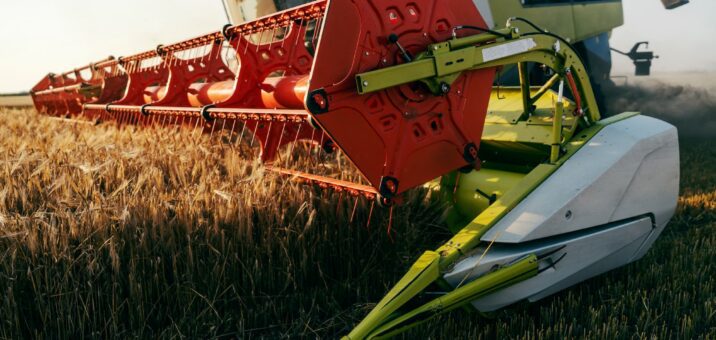
Agriculture is currently undergoing a profound technological transformation that is completely changing the way farms are run. Modern technology is revolutionizing farming, harvesting, and resource management methods. Due to precision agriculture systems, automation, the use of IoT sensors, and artificial intelligence, farmers can achieve better results with fewer resources. All these innovations not only increase agricultural productivity but also promote sustainable development and environmental protection.
Precision Agriculture – The Key to Crop Optimization
Precision agriculture is an innovative method of farm management based on detailed analysis of data collected directly from the fields. The system involves dividing a farming area into smaller sectors that are constantly monitored for key parameters such as soil quality, moisture content, the presence of pests, or plant health. The main goal of this approach is to maximize yields while optimizing resource consumption.
Precision agriculture uses many advanced technologies:
● GPS and GIS systems – enable accurate positioning of farming machines and mapping of soil variability. They make it possible to optimize travel routes and precisely plan fertilization.
● Sensors and measuring stations – monitor parameters such as humidity, temperature, soil composition, and weather conditions. They provide real-time data, allowing rapid response to changing conditions.
● Drones and satellite imaging – enable the assessment of plant health, detection of diseases and pests, and spraying planning. They provide detailed aerial images to aid in decision-making.
● Variable Rate Technology (VRT) – automatically adjusts the amount of fertilizer and other agents to the needs of specific sections of the field, which optimizes their use.
The precise dosing of substances translates directly into reduced operating costs and better crop management, which results in increased yields. The system also allows a significant reduction in water and chemical agent consumption. This approach not only optimizes the use of available resources but also significantly reduces the negative impact of agricultural activities on the environment, supporting the sustainable development of the agricultural sector.
Internet of Things in Precision Agriculture
The Internet of Things allows for the integration of smart devices and sensors in farm fields. This, in turn, enables continuous collection and analysis of real-time data and allows farmers to make accurate decisions based on them.
The most important component is advanced sensors that monitor important parameters such as soil moisture and temperature, sunlight levels, and nutrient content. The information is automatically sent to a central management system, which generates recommendations for irrigation, fertilization, or plant protection.
By combining IoT with mobile apps, farmers gain the ability to manage their farms remotely. From their smartphone, they can monitor the condition of crops, control irrigation systems, and receive alerts on potential threats such as drought or crop diseases.
Automation of Agricultural Machinery
Automation of agricultural machinery is a breakthrough in the development of modern agriculture, making it possible to perform field work without the constant presence of an operator. Using advanced GPS technology, sensors, and intelligent software, today’s tractors and combine harvesters can operate autonomously, increasing work efficiency while reducing operating costs.
Autonomous machines, equipped with precise navigation systems as well as position and proximity sensors, are able to navigate autonomously along designated paths, avoid obstacles,and optimize fuel consumption. GPS technology, on the other hand, eliminates the problem of overlaps, which results in greater accuracy for jobs such as seeding, plowing, and fertilizing.
The remote-control system, accessible via mobile apps, allows farmers to monitor and control the operation of machinery in real time. This makes it possible to react quickly to changing weather conditions and flexibly adjust operating parameters to the farm’s current needs.
Artificial Intelligence in Agriculture
The use of artificial intelligence in agriculture brings new opportunities for farm management through advanced analysis of data from sensors, drones, and satellites. AI processes information in real time, empowering farmers to make decisions.
AI algorithms analyze historical and current data (weather conditions, soil parameters, crop condition) to forecast yields and indicate optimal sowing and harvesting periods. The system also optimizes fertilization and irrigation, precisely adjusting them to the needs of specific sectors of the field. In addition, AI effectively detects diseases and pests by analyzing drone imagery, allowing for quick response and minimizing crop losses.
Modern irrigation systems are an important part of sustainable agriculture, enabling precise water management. They use a network of sensors to monitor soil moisture, temperature, and other parameters, automatically adjusting the amount of water to meet the actual needs of the plants. This system not only provides significant water savings but also prevents issues associated with over-drying or over-watering the soil.
Smart irrigation is used both in fields and in greenhouses or orchards, where it often works in conjunction with climate control systems to ensure optimal growing conditions. This innovative approach to irrigation is particularly valuable in regions facing water shortages.
Robotization in Modern Agriculture
Robotics supports complex processes and replaces human labor in tasks that require high precision. Particularly relevant are robots used for fruit and vegetable harvesting. Here, advanced optical systems and artificial intelligence enable precise identification and harvesting of ripe crops without damaging them. These machines can operate continuously throughout the day, significantly expediting the harvesting process and reducing operating costs, especially in regions facing a shortage of seasonal workers.
Robots play an equally important role in crop care and irrigation systems. Equipped with advanced AI algorithms, they precisely adjust the amount of water and crop protection products to the needs of specific areas of the field. By continuously monitoring the condition of plants through cameras and sensors, these systems can detect potential crop health issues and respond to them immediately while optimizing the use of water, fertilizer, and pesticides.
Biotechnology has become a cornerstone of agricultural innovation, bringing breakthroughs in plant cultivation. Advanced genetic modification techniques are creating varieties that are better adapted to modern challenges – from climate change to the growing demand for food.
Particularly promising is CRISPR-Cas9 gene editing technology, which allows precise modifications to plant DNA. With it, scientists can obtain varieties with increased yield, higher disease resistance, or longer shelf life. This precision genetic engineering makes it possible to “design” plants with desirable traits adapted to specific cultivation conditions.
The main purpose of innovation in this area is to create varieties that are resistant to extreme weather conditions, diseases, and pests. Plants modified through biotechnology are capable of surviving drought, frost or soil salinity and increase food security and stability of agricultural production, especially in regions with difficult climatic conditions.
Innovations in Animal Husbandry
Modern technology is also impacting animal husbandry, introducing advanced automation and monitoring systems that significantly improve production efficiency and animal wellbeing. Smart feeding systems, based on IoT technology, accurately dispense feed and monitor feed intake, adjusting rations to meet the individual needs of each animal.
Animal health and behavior monitoring systems play a particularly important role. Advanced sensors and cameras constantly track herd activity, enabling early detection of signs of disease or stress. By automatically analyzing the collected data, farmers can quickly react to alarming changes in animal behavior and take appropriate preventive measures, resulting in better husbandry results and a higher standard of animal care.
Technologies That Support Sustainable Agriculture
Modern agriculture constantly evolves toward environmentally friendly practices, combining innovative technologies with responsible management of natural resources. An important part of these changes is the use of renewable energy sources – farms are increasingly installing photovoltaic panels, wind turbines, and biogas systems, reducing their carbon footprint and operating costs.
Regenerative agriculture is developing in parallel, which focuses on restoring the natural potential of the soil. Modern farming methods, such as reducing plowing, using organic fertilizers, and introducing cover crops, not only protect the soil from erosion but also promote the development of soil microorganisms. These innovative solutions preserve the long-term fertility of the soil while increasing agricultural productivity, creating a model of environmentally and economically sustainable agriculture.
Agriculture of the Future – Smart Food Production
The technological transformation of agriculture is setting a new direction in food production, combining traditional farming practices with innovative solutions.
Modern farming, supported by artificial intelligence, robotics, and the Internet of Things, is becoming more precise, efficient, and environmentally friendly. Intelligent management systems, process automation, and precise data analysis not only increase productivity but also minimize the environmental impact of farming.
In the face of global challenges – from climate change to a growing world population – the evolution of the agricultural sector is no longer just an option but an absolute necessity. Investing in the development of agricultural technology is an investment in the food security of future generations. It’s also a path to a more sustainable and climate-resilient food production system that serves both producers and consumers.
How Do Qwerty Industrial Keyboards Support Modern Agriculture?
The technological transformation of agriculture requires reliable control interfaces that work in all conditions – from dust in grain silos to moisture in greenhouses. Our membrane and foil keyboards are the foundation of control systems on a modern farm, providing precise control of machinery, irrigation systems, and automated production processes.
In our research laboratory, we have developed special lines of interfaces dedicated to precision agriculture. Qwerty keyboards, resistant to extreme weather conditions, dust, and chemicals, work seamlessly both in the cabins of combine harvesters and in the control rooms of modern greenhouse systems. Innovative protective coatings and an enhanced water-resistant design (IP68) effectively protect electronic components from moisture and dirt typical of agricultural environments.
As a leader in the production of industrial interfaces, we have introduced advanced solutions to facilitate the integration of our keyboards with IoT and agricultural automation systems. Precision touch sensors, LED backlighting that adapts to lighting conditions, and the ability to program special functions make our products ideal for controlling complex agricultural processes – from irrigation systems to automated processing lines.
Many years of cooperation with leading manufacturers of agricultural machinery have allowed us to create interfaces perfectly suited to the needs of modern agriculture. Tested under the most demanding field conditions, our keyboards set quality standards in the agricultural industry, supporting the technological transformation of this sector.